What Is Freehold Conversion & Why Does It Matter?
Freehold conversion is the legal process of clearing your property's ownership title, transforming a leasehold interest into full, absolute ownership. Once completed, the concerned authority — such as DDA (Delhi Development Authority) or L&DO (Land & Development Office) — issues a Conveyance Deed, the final legal document establishing you as the outright owner.
Converting a leasehold property to freehold status significantly enhances its market value, removes restrictions on transfer and sale, and gives owners complete legal control over their property — making it a crucial step for anyone looking to sell, mortgage, or pass on their property with a clear title.
Which Authority Handles Freehold Conversion?
The "concerned authority" refers to the Lessor body under which your property/colony falls. Common freehold-granting authorities in Delhi include:
- DDA (Delhi Development Authority)
- L&DO (Land & Development Office)
- NDMC (New Delhi Municipal Council)
While each authority follows its own specific rules, the core freehold procedure remains largely consistent, with only minor procedural variations between departments.
The 3-Step Freehold Conversion Process
Whether you're converting a DDA flat or an L&DO property, the freehold process generally follows three key stages:
Document Submission & Verification
Submit the required documents to the concerned authority for scrutiny and approval.
Stamp Duty Payment
Pay the applicable stamp duty on the Conveyance Deed via authorized e-stamp channels.
Deed Registration
Register the Conveyance Deed at the Sub-Registrar's office to receive absolute ownership.
Step 1: Submitting Documents for Freehold Conversion
Once your application and supporting documents are submitted to the concerned authority, they pass through multiple verification channels within the department. Any discrepancies — referred to as "deficiencies" — are communicated to the applicant by post and must be resolved before the process can proceed.
Common Deficiencies to Watch Out For
- Pending dues such as ground rent or maintenance charges
- Signature mismatches across documents
- Unclear or incomplete photocopies (including missing back-side of stamp paper)
- Blank or incomplete witness columns

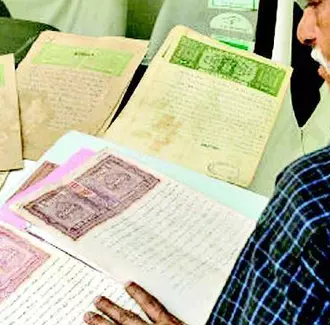
Issuance of the Conveyance Deed
Once all deficiencies have been cleared, the authority issues three copies of the Conveyance Deed — the document that formally transfers ownership from the authority to the property owner (whether the original allottee or a subsequent agreement holder).
Step 2: Stamp Duty Payment on the Conveyance Deed
Stamp duty is a mandatory payment made to the Delhi government for the legal transaction of property conveyance — in this case, the transfer of ownership from the authority to the property owner. This duty is paid to the Collector of Stamps.
How to Pay Stamp Duty for Freehold Conversion
- Purchase an e-stamp paper of the appropriate value from SHCIL (Stock Holding Corporation of India Limited)
- Submit the e-stamp to DDA for execution
- DDA will issue an execution date for the deed


Step 3: Registering the Conveyance Deed
Registration is the final legal step, requiring the physical presence of the concerned parties at the office of the Sub-Registrar.
Registration Checklist
- Fill out the Sub-Registrar's prescribed application form
- Submit the form along with two copies of the Conveyance Deed
- Collect the official registration receipt
- Return on the date specified on the receipt to collect your registered document
Congratulations — You Now Own Your Property Outright!
Once registration is complete, you hold the absolute ownership title of your property, free from leasehold restrictions and fully secure for sale, transfer, or inheritance.

Frequently Asked Questions on Freehold Conversion
How long does DDA freehold conversion take?
Timelines vary based on document accuracy and the number of deficiency cycles required; submitting complete, error-free documents at the outset significantly speeds up approval.
What is the difference between DDA and L&DO freehold procedures?
DDA requires the Conveyance Deed to be stamped and resubmitted, while L&DO executes the deed first and only requires the final registered copy to be submitted.
Do I need professional help for freehold conversion?
While the process can technically be done independently, professional documentation consultants help avoid common deficiencies, reduce delays, and ensure accurate stamping and registration.